

Trust & Estate Planning
Having the Hard Conversation—and How United Bank Wealth Management Services Can Help
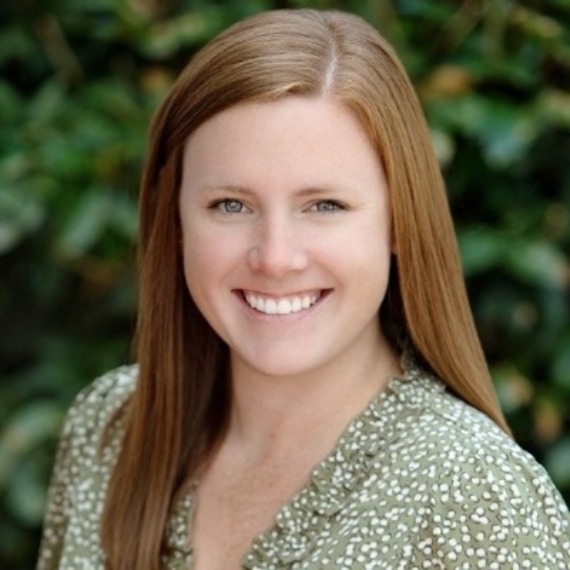
For many families, conversations about an aging loved one and their estate planning are easy to postpone. They can feel uncomfortable, deeply personal, and, at times, emotional. But according to Madison Morris, Trust Officer for United Bank Wealth Management Services, they are also some of the most important discussions a family can have—and the earlier they happen, the better.
Madison believes her work is rooted in relationships. Her responsibilities go far beyond documents and financial decisions. Her job is about people: their stories, their families, and their goals. In her role, Madison serves as the central point of contact when United Bank’s Wealth Management Services is named as a corporate trustee or executor. She becomes the person clients and families turn to with questions, concerns, and decisions—connecting their needs with investment teams and ensuring their wishes are carried out as intended.
“I understand what your money is for, what you want to accomplish, and who it’s meant to impact,” she explains. “I’m here to help guide that.”
That guidance often begins long before any documents are finalized. Madison spends time getting to know clients in a deeply personal way—sometimes even meeting them in their homes—to better understand family dynamics, values, and long-term intentions.
At the heart of trust and estate planning is something more challenging: conversations.
“These are personal conversations,” Madison said. “And sometimes, they turn into end-of-life discussions rather than legacy discussions. That’s hard—but it’s necessary.”
For many families, hesitation comes from fear of being misunderstood. Parents may worry their children will see the conversation as entitlement, while the next generation respectfully wants to be prepared to understand how to care for their family and responsibilities when the time comes.
“In reality, the more transparency there is, the better the understanding,” Madison explained. “Without it, situations—especially sudden ones—can create confusion or even conflict.”
That’s where trust and estate management plays a critical role. It’s not just in managing assets, but in helping families prepare.
“We try to focus on preparing the family just as much as the finances,” she said. “When clients bring their children into meetings, those are some of the best conversations we have. It shifts the focus from money to legacy, values, and being on the same page.
“Sometimes they don’t even know exactly what they have or how it all fits,” she continued. “Helping them put the pieces together—and connect it to their legacy—is incredibly rewarding.”
By acting as a steady, third-party presence, wealth management teams can help guide discussions, keep conversations productive, and ensure that a client’s wishes remain clear and central. It also provides a level of structure that can prevent emotions or misunderstandings from derailing important decisions.
“Those conversations don’t get easier,” Madison said. “But they do get more meaningful—and families feel the difference.” In fact, she often hears from clients long after those meetings have taken place.
“They’ll bring it up again and again—how helpful it was, how much better they feel,” she said. “There’s a sense of relief. Like a weight has been lifted.”
That peace of mind is one of the most valuable outcomes of the trust and estate planning process. It allows families to move forward with confidence, knowing plans are in place and expectations are clear.
For those unsure of where to begin, Madison offers simple advice: start informally at home and start early.
“Build confidence in the next generation,” she said. “Let them know you want them involved because you trust them. Introduce them to your financial advisor. Help them understand not just what you have, but why you’ve planned the way you have.”
Ultimately, trust and estate planning is about more than transferring wealth—it’s about transferring intention.
“Our goal is to help families do that thoughtfully,” Madison said. “To focus on legacy, preparedness, and values—not just money. Because when you do that, you’re not just leaving something behind. You’re setting the next generation up to carry it forward.”